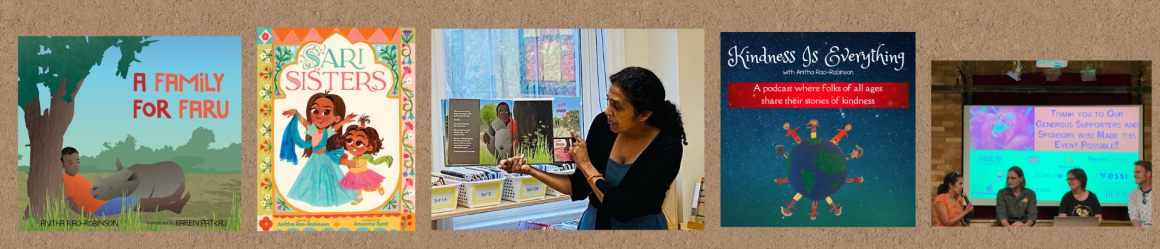
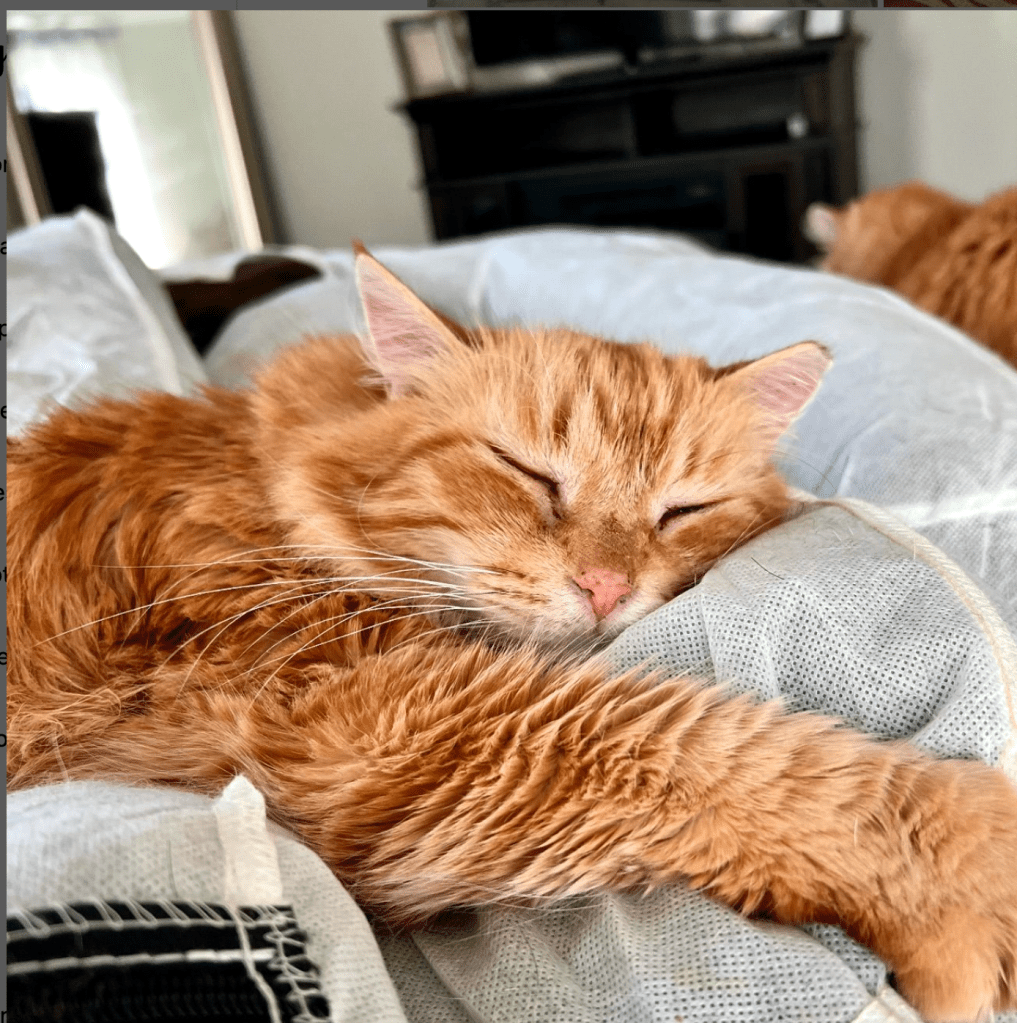
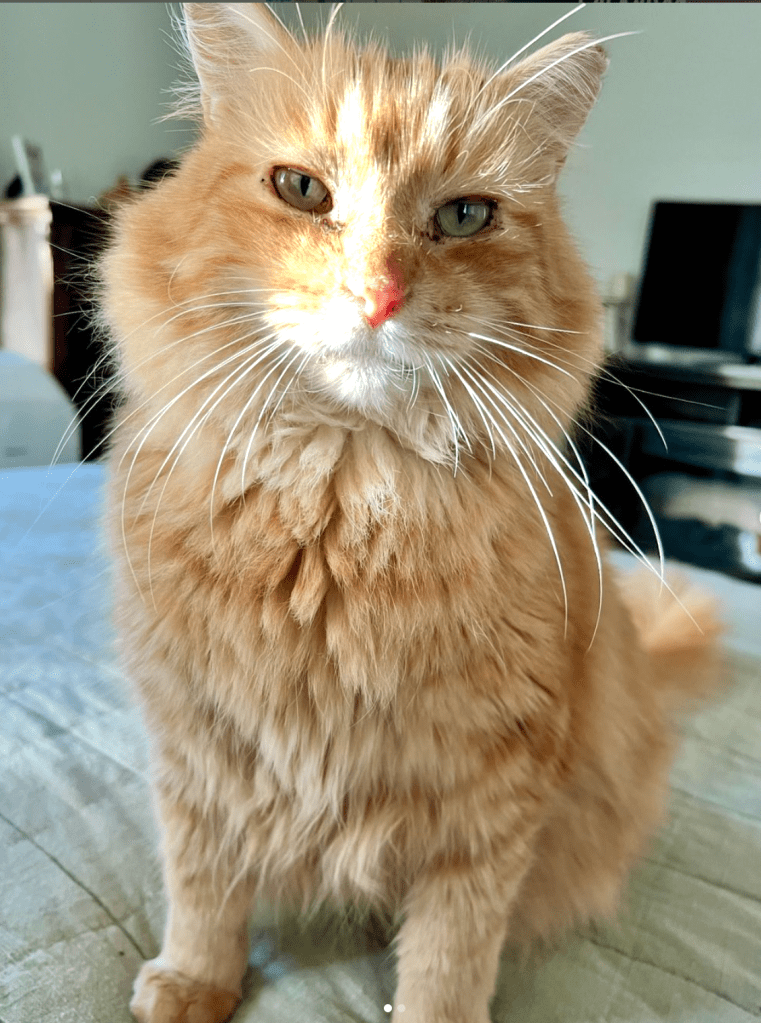
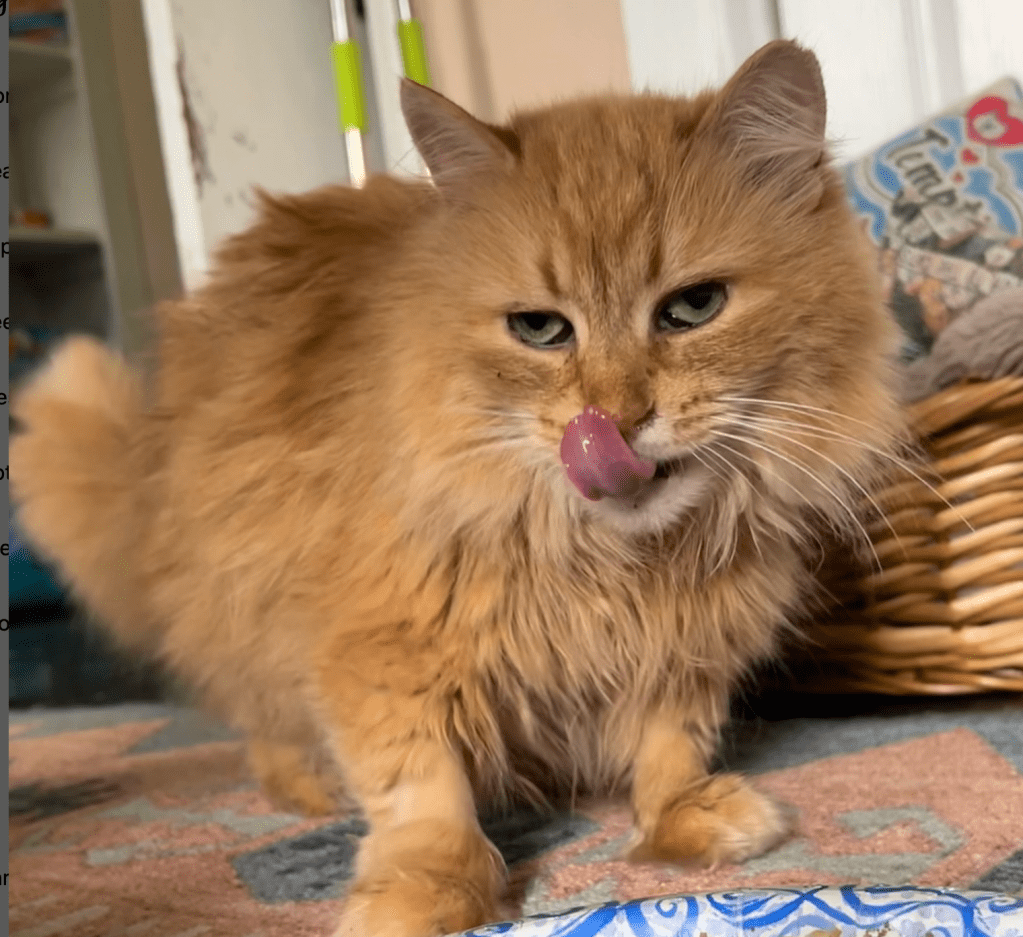
Emily Bott joins Anitha to talk about purchasing a property in 2018 that turned out to house a colony of 16 feral/barn cats. Emily and her partner, Dylan decided not only to allow the cats to remain on the property, but worked hard to gain the trust of the cats so they could be spayed/neutered and vaccinated. Life for the cats was so good, they eventually chose to live inside with Emily and Dylan!
These cats now enjoy being warm, safe, lounging on soft beds and so much more!
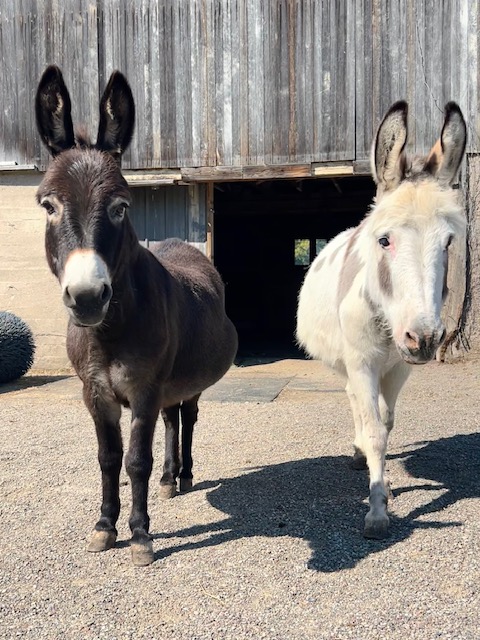
In the six years since moving to the property, Emily and Dylan have expanded their rescue journey to include farm animals such as donkeys and goats.
The farm’s mission is to provide compassionate care, rescue and sanctuary for animals in need. Emily shares some really heartwarming stories of the animals on the farm.
To learn more about Freedom Farmhouse, check out the following links:
As a thank you to Emily for sharing her story, Anitha donated to Rochester Emergency Veterinary Services.
This emergency veterinary hospital is fundraising to set up a new location to help more communities and more pets. To learn about what they do and what they are fundraising for, check out their website: REVS Website
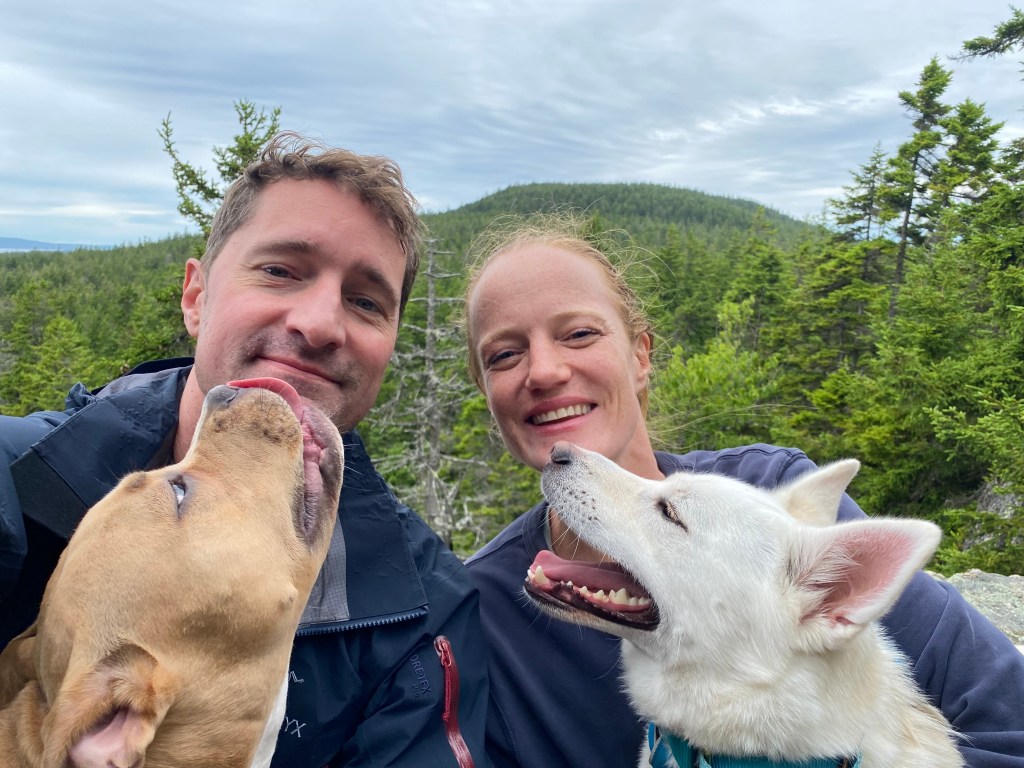
The incredible, Katy Brink from the dodo joins Anitha to talk about her love for animals, fostering dogs, and being a part of an amazing organization all about animals.
With Lola & JakeSasha with Lorna & Libby
Katy shares what it’s like working as an executive editor at the dodo, (which may be Anitha’s dream job) The dodo is a wonderful organization that highlights heart-warming stories about animals . . . and the stories always have happy endings.
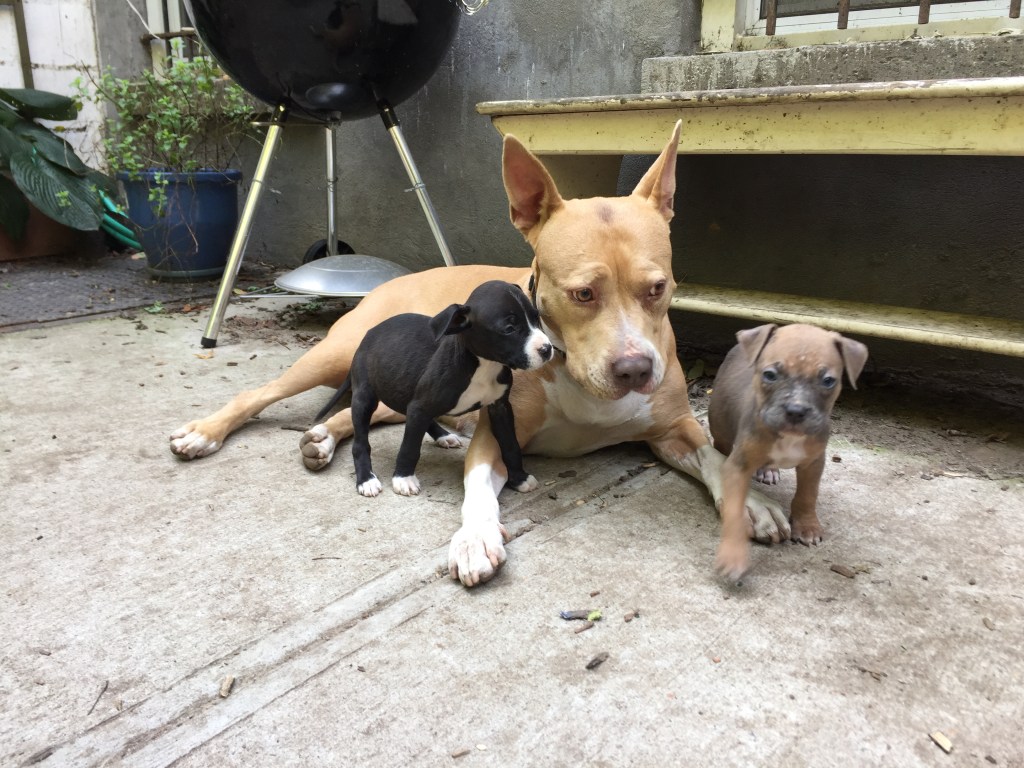
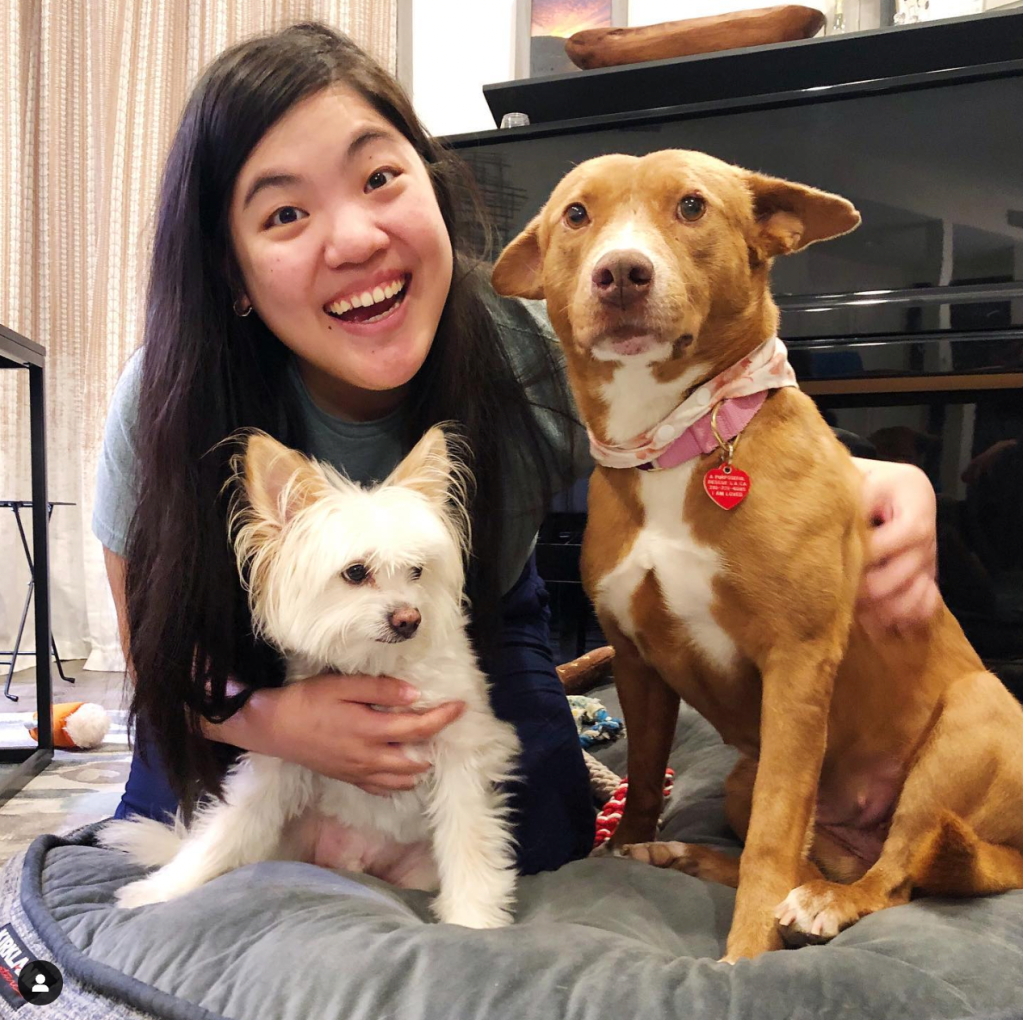
In addition to working as an editor, Katy generously devotes a lot of her time to fostering dogs. She talks about the devastating overcrowding situation at animal shelters and how fostering literally saves lives.
Katy has some wonderful stories about the dogs who are and have been in her life, including her current foster, a sweet girl named Cartier.
Cartier
To learn more about Katy, Cartier and the dodo, click on the following links.
As a thank you to Katy for sharing her story, Anitha donated to Mr. Bones & Co.— a volunteer-run animal welfare non-profit. They specialize in helping dogs who face extraordinary challenges, such as extensive emergency veterinary care/surgery, unfair breed discrimination or those languishing in municipal shelters with behavioral issues that make them harder to place.
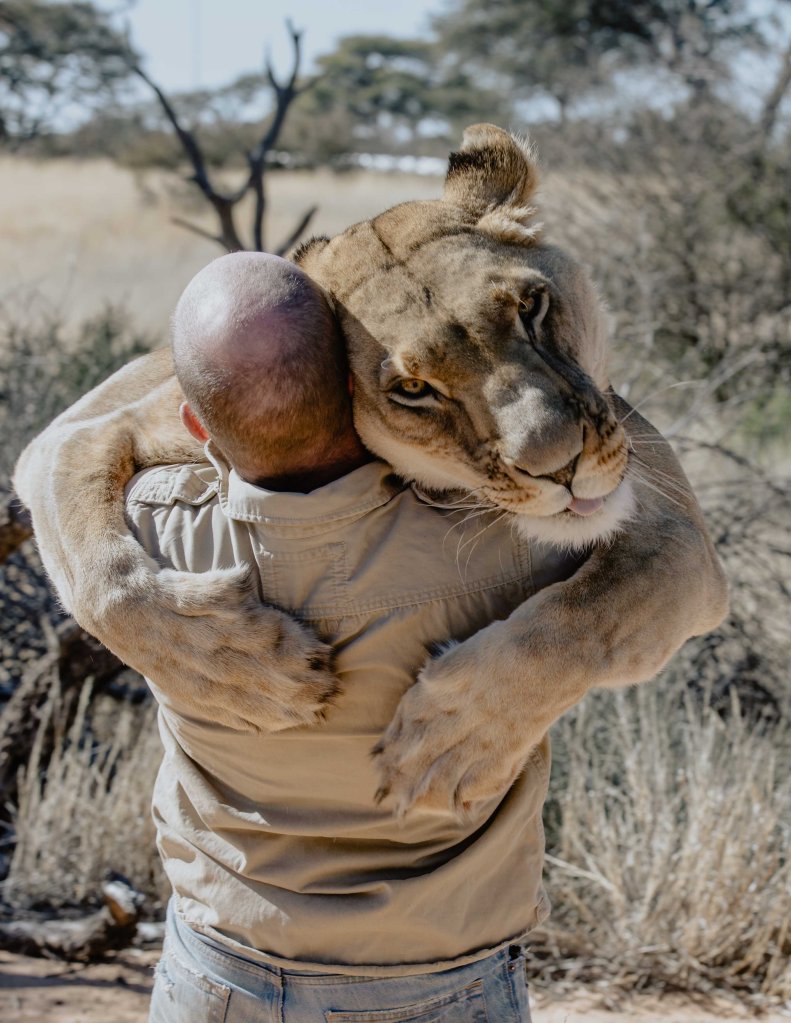
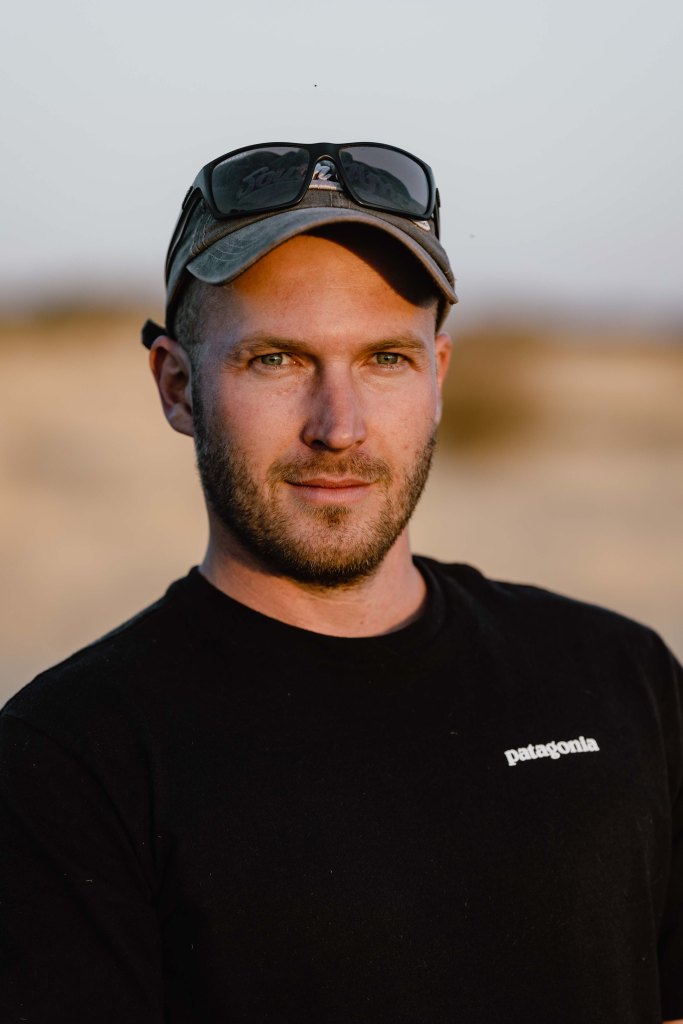
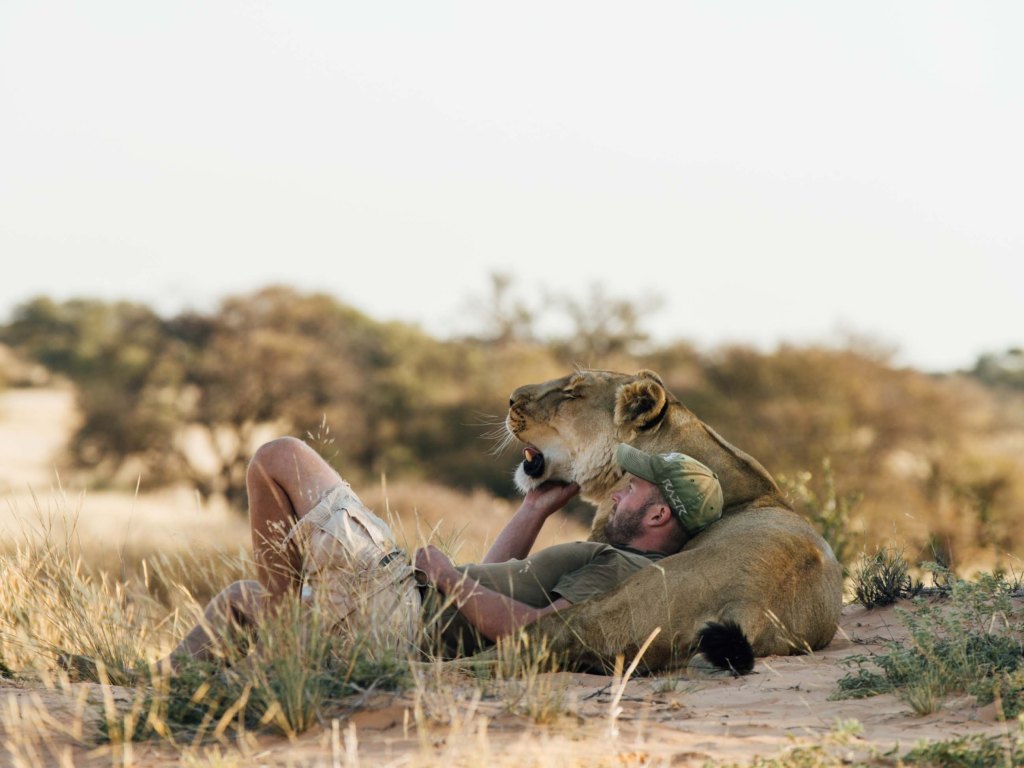
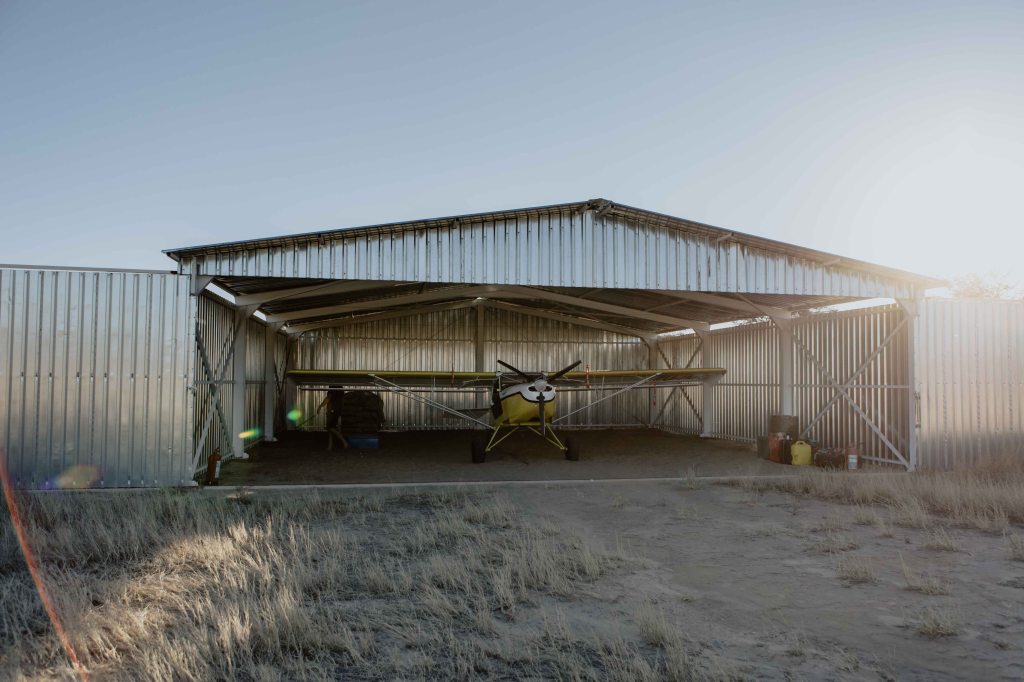
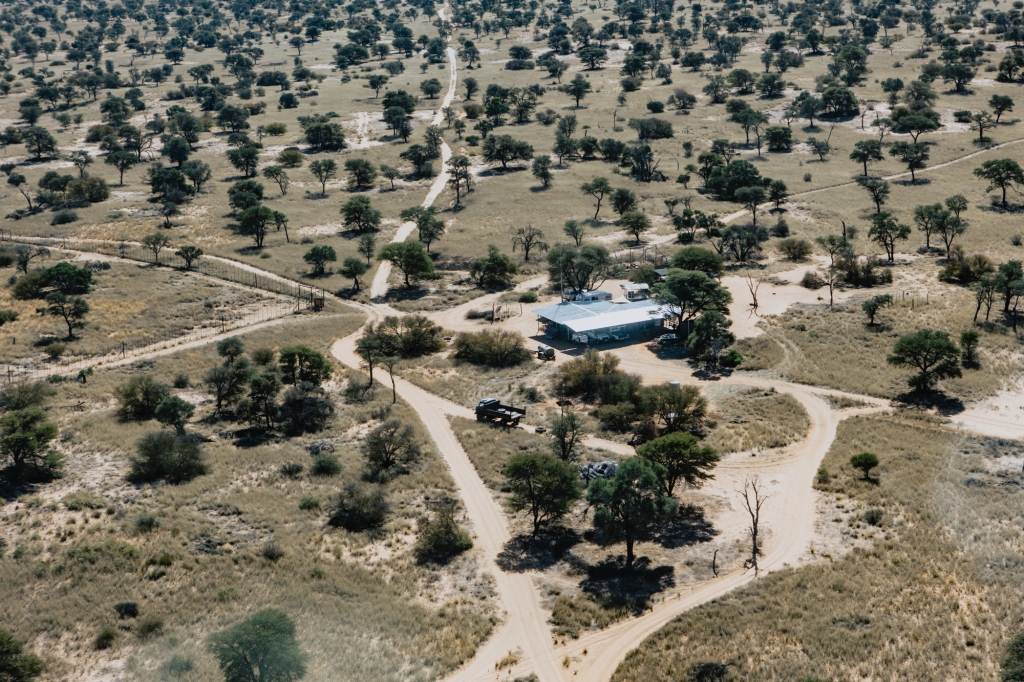
Valentin Gruener achieved his childhood goal to live in Africa and work with wildlife, and not just any wildlife. Val has spent the past twelve years raising, caring and loving Sirga, a lioness who came into his life when she was around ten days old.
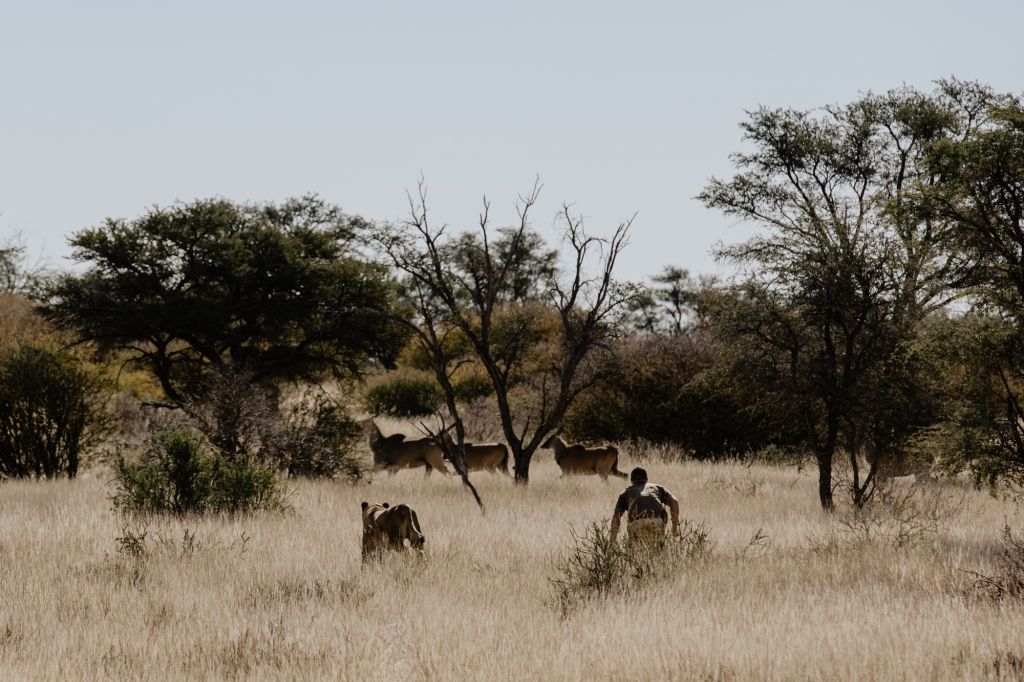
Val talks about sharing his life with a wild lion, including some heart-warming stories. He also talks about the reasons for the devastating decline in the wild lion population, his conservation initiative—the Modisa Wildlife Project, and so much more.
A very special and important conversation about a man, a lioness and how together they are raising awareness to protect wildlife.
To learn more about Val, Sirga and the Modisa Wildlife Project, check out the following links:
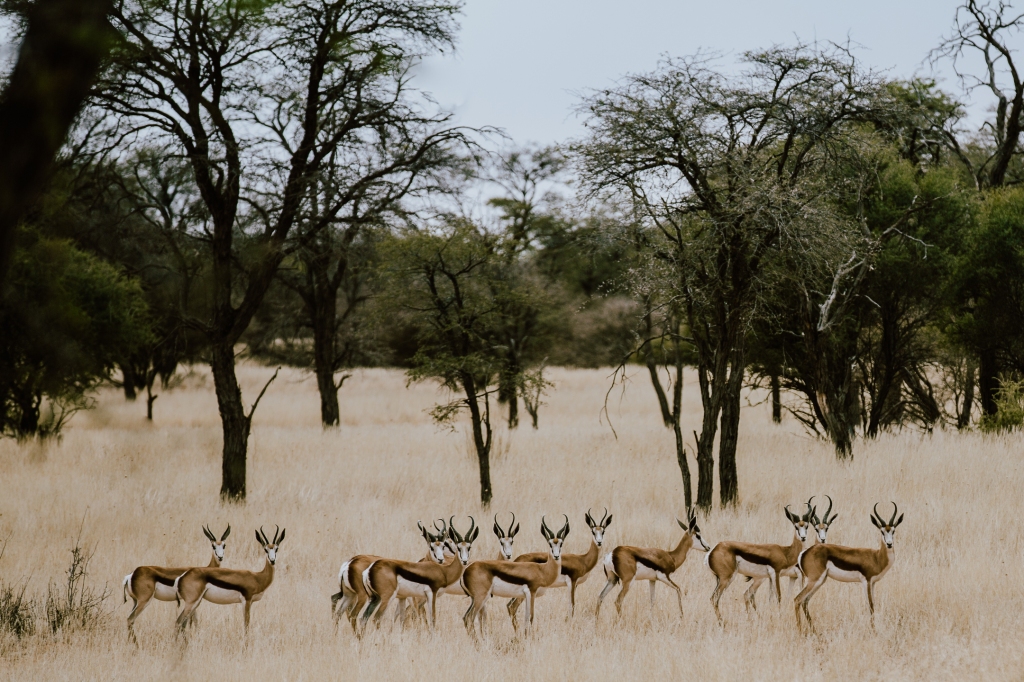
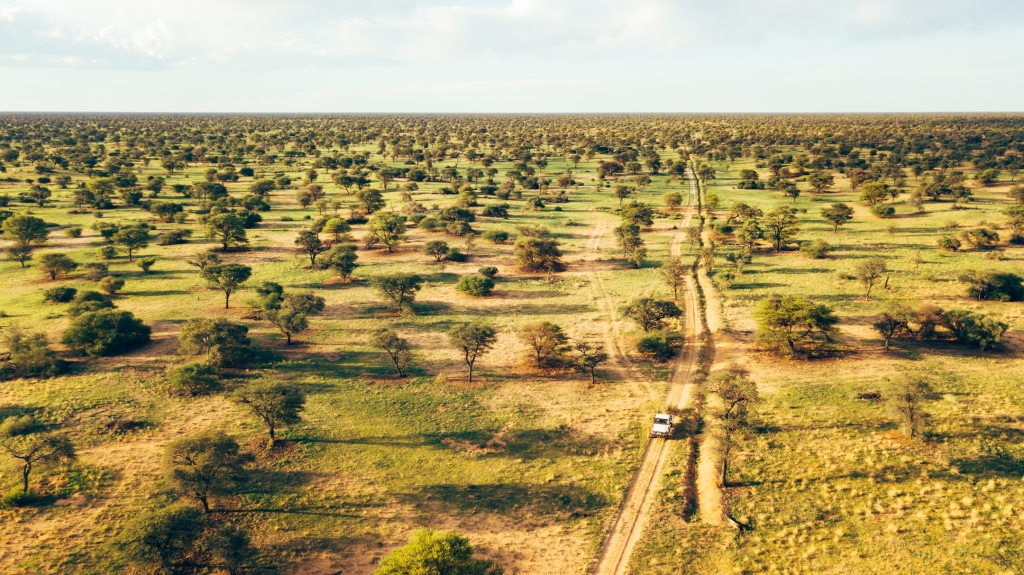
As a thank you to Val for sharing his story, Anitha donated to the Kalahari Research and Conservation (KRC). Kalahari is a unique and fragile ecosystem with a rich diversity of plants and animals. This organization works to understand and conserve Kalahari’s distinctive landscape in the face of increasing challenges.
As a thank you to Evie for sharing her story, Anitha donated to Save Animals Facing Extinction.
This not-for-profit organization works to protect endangered wildlife by ensuring strong laws are in place and severe penalties are levied against criminals who deal in wildlife trafficking. To learn more about them please check out their website:
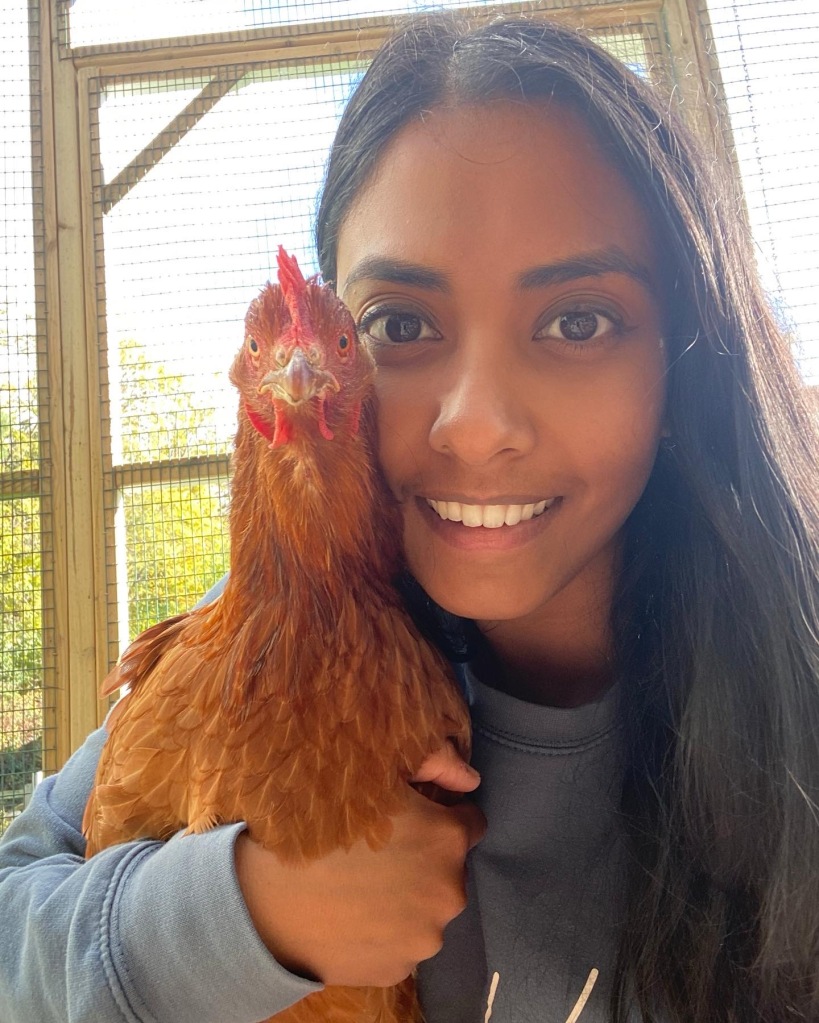
Like many people, the pandemic inspired Monique Monelle and her husband to take up a new hobby during lockdown. But their new ‘hobby’ was wonderfully unusual. They were inspired to rescue ex-battery hens.
Monique talks about what it was like when the hens first arrived, how she and her husband take care of them when they’re not feeling well, and how she fell in love with their unique personalities.
Animal lovers and anyone interested in starting their own rescue will love this heartwarming episode.
To follow Monique and her growing number of rescue animals, check out their website and Instagram account:
As a thank you to Monique for sharing her story, Anitha donated to Fresh Start For Hens. This organization is run completely by volunteers who rehome ex-commercial hens into pet homes, like Monique’s, throughout England and Wales.
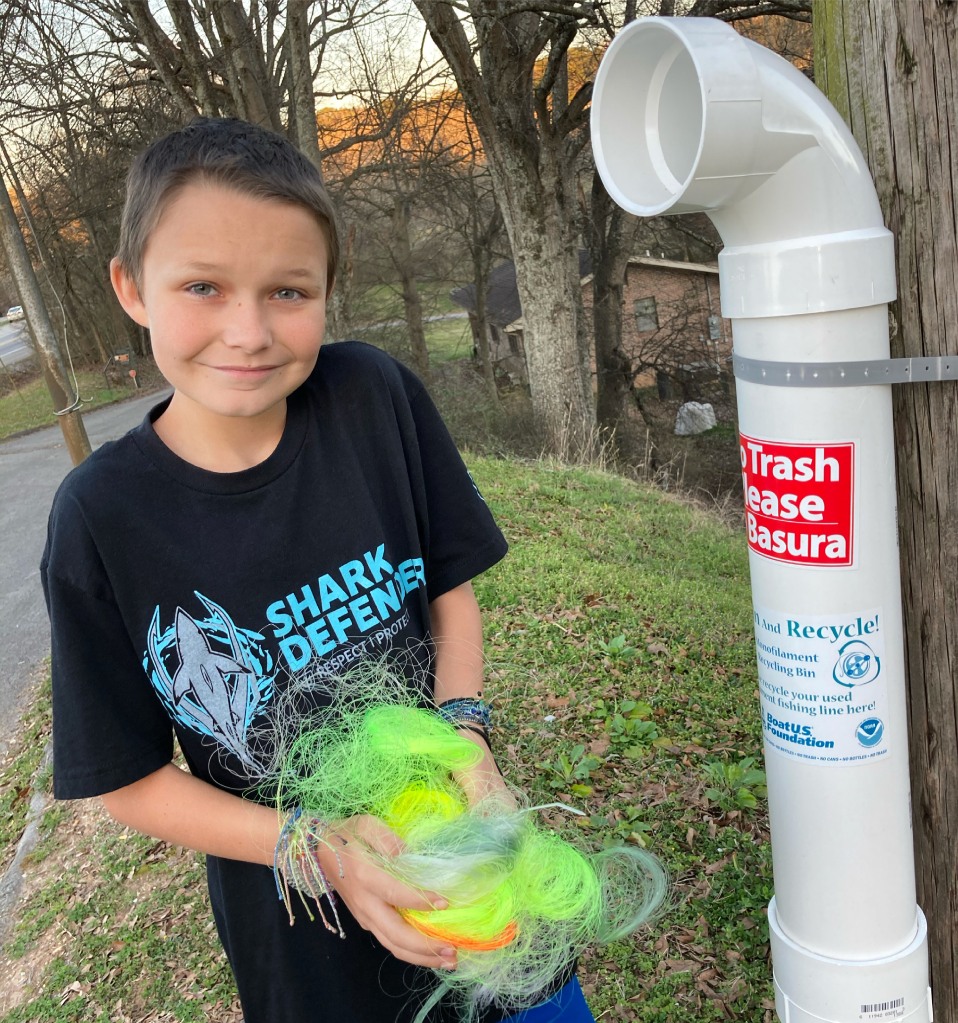
Eleven-year-old, Ella Grace joins Anitha to kick off Season Two of the Kindness Is Everything Podcast.
Ella’s journey to protect oceans and sharks began when she was four years old and has kept growing. In this jam-packed episode, Ella shares her dedication and knowledge about oceans and the beautiful animals who live there.
In addition to her Ella Saves The Ocean project, she has teamed up with a friend to create The Clean Up Kids. This amazing initiative focuses on cleaning up our beaches.
A wonderful episode for anyone interested in conservation.
To learn more about Ella Saves The Ocean- check out her Instagram: @ellasavestheocean
As a thank you for sharing her story, Anitha donated to WildlifeVOICE. This non-profit, started in 2014 by Jim Abernethy, supports the conservation and preservation of all animals and their habitats. To learn more about this group, please click on this link: https://www.wildlifevoice.org
For many homeless young people, their companion animals are often their only friend and support system. Unfortunately, most shelters do not allow animals inside. This sad truth means these youth are faced with the incredibly difficult decision—take shelter and lose their beloved companion animal or live on the streets.
In May of 2020, sisters Shania and Anya Bopa, created an organization called The Canadian Courage Project. The goal of this initiative is to keep homeless youth and their companion animals together by offering various types of support.
These two wonderful young women talk about what inspired them to create this non-profit and how they are trying to keep companion animals and youth together.
A fabulous episode about compassion for all beings.
As a thank you for sharing their story, Anitha donated to Animal Welfare Foundation of Canada. This charity seeks to change the way Canadians think about using and caring for animals used in research, agriculture, education as well as companion animals and wildlife.
To learn more about this charity and all they do, please click on this link: https://awfc.ca/
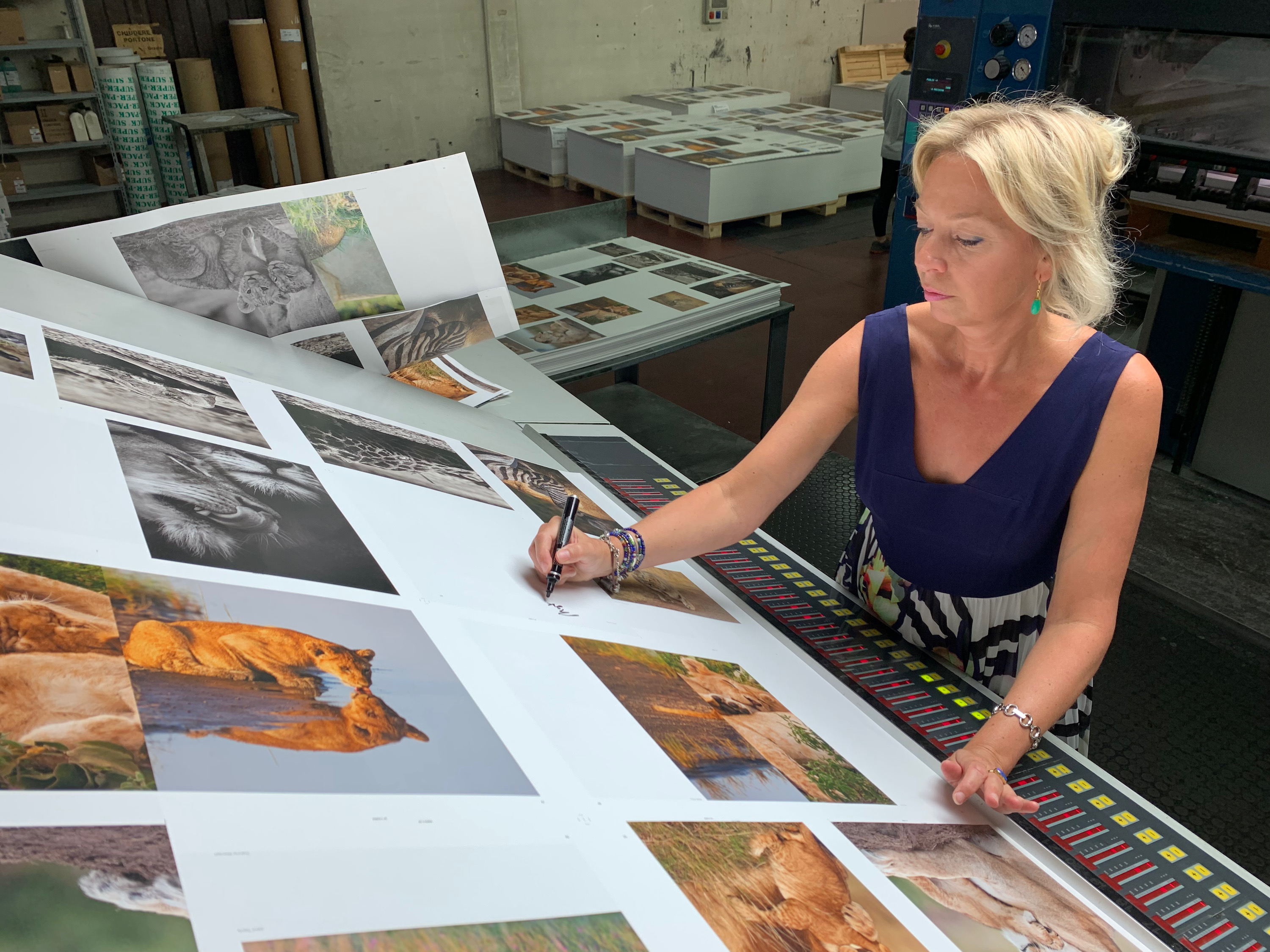
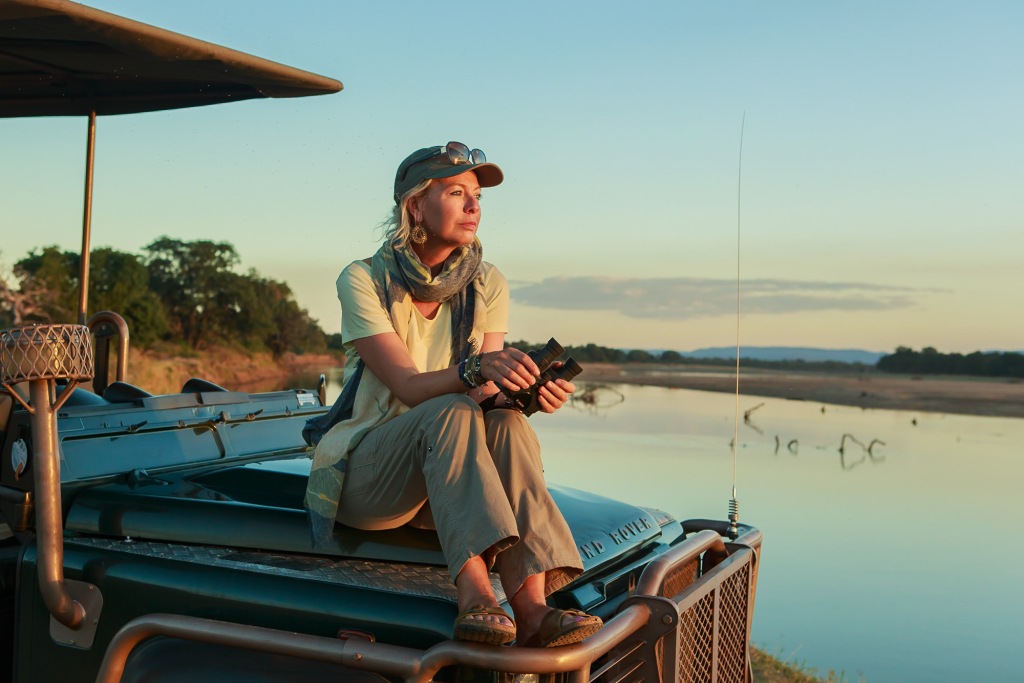
Margot Raggett has worn many hats—Public Relations Director, Consultant, Wildlife Photographer and now the creator of Remembering Wildlife.
Margot grew up in Hampshire, on the South Coast of England. Her father was a keen sailor, so she spent much of her early years on the waters of the Solent as a child. The family never had pets, so apart from the occasional visit to see New Forest ponies, Margot had little exposure to wildlife until her first safari in Africa in 2006.
A young Margot sailing
Even though Margot didn’t grow up with animals, she loved the idea of animals and watched David Attenborough documentaries voraciously.
Similar to her early childhood, Margot’s initial career also didn’t include animals. She followed in her mom’s footsteps and aspired to climb the corporate ladder. She wanted to attain a level of success where she could financially support herself. However, in 2010 Margot found her true passion.
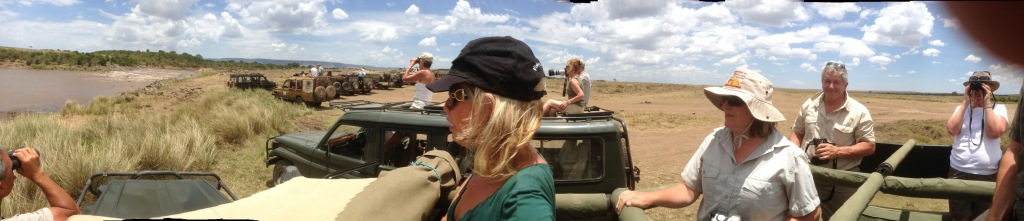
She signed up for a trip to Masai Mara, a national reserve in Kenya. This wasn’t her first safari (that had been in South Africa in 2006) but it was the first time she was exposed to the art of wildlife photography, by the tour leaders, award-winning wildlife photographers Jonathan & Angela Scott. It was on this trip Margot discovered the beauty of photography and wildlife, and how photography can help promote conservation. Jonathan & Angela went on to become mentors to Margot and huge supporters of the Remembering Wildlife series.
When she returned home to the UK, Margot signed up for a course at the London Photography School. Upon completion of the course and armed with a better camera, Margot set off for another safari, just a few months after her adventure in Masai Mara, and thus began an addiction.
With her love of photography growing, Margot left her position as PR Director and started her own consulting business. This switch from employee to self-employed, not only allowed her to choose which projects she wanted to work on, but gave her the flexibility to travel.
One such project was Entim camp in the Masai Mara in 2012. Margot entered a partnership/agreement with the owner of the camp—in exchange for consulting services and help with their marketing, she would be allowed to stay at the camp and build her photography portfolio.
In 2014, while on a safari in Laikipia, a different part of Kenya, she was woken by the sound of hyenas early one morning. The noise was so loud it became clear that something unusual had happened nearby.
At first light, she and a guide went to investigate. They came upon a young male elephant with a poisoned arrow sticking out of him. He was dead and the hyenas had been feeding on his remains. The guide told her the young elephant had most likely suffered for days before he succumbed to the poison. His young tusks were still in him.
Margot was furious. It was at this moment, she went from wildlife photographer to wildlife warrior. She channeled her fury into a promise to do whatever she could to help.
While many ideas churned in her mind, the one that took root was to make a book.
She reached out to Will Travers, the Chairman of Born Free—a charity dedicated to wild animal welfare and conservation, and proposed a partnership. Margot would produce a book of elephant images by world class wildlife photographers, and Born Free would help guide her on how best to spend the funds raised.
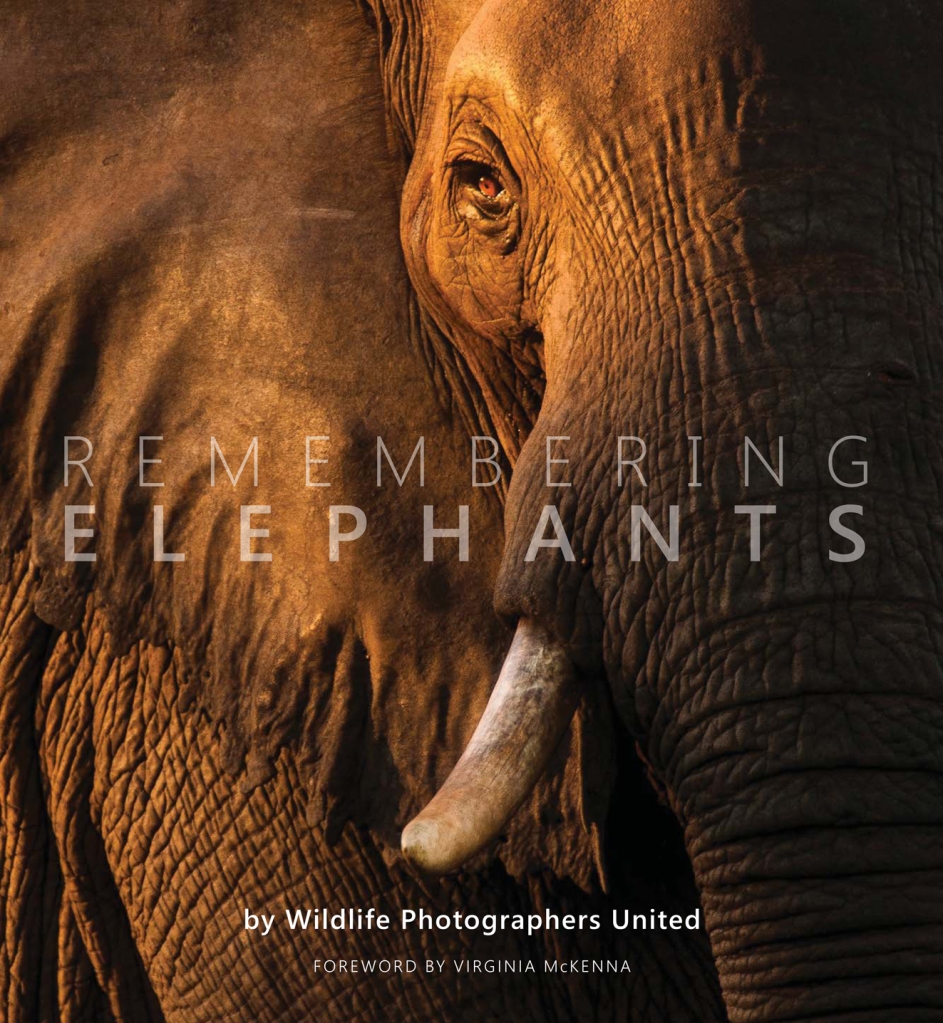
The first book was Remembering Elephants. The initial step was to raise enough money to cover the cost of producing the books, so that all the proceeds from the sales of the books would go directly to wildlife conservation projects.
In 2015, Margot launched her first Kickstarter Campaign with the goal of raising £20,000 to cover the production costs for 1000 books.
The tricky part of a Kickstarter Campaign, is that once you decide on your goal, it is all or nothing. If you don’t raise the needed funds to meet your goal, the project doesn’t move forward.
The campaign was to run four weeks. In the first three hours, the campaign had raised £8,000, but then the momentum slowed. Margot reached out to Will and asked that Born Free share the campaign on their social media, he complied and things picked up— the £20,000 was hit that same evening. By the end of the campaign, Margot surpassed her goal and raised £58,000.
Unfortunately, she couldn’t fully celebrate her enormous achievement. On the final day of the campaign, Margot found out she had breast cancer.
Unwilling to postpone the making of the book, Margot worked on Remembering Elephants while she endured three months of radiation therapy and surgery. Treatment was successful and six years on, Margot is in remission, but the time made a lasting impression on Margot and her approach to life. “I felt that the elephants were looking out for me during that time, just as I was fighting for them. I now never take life for granted and truly believe you should always have one eye on the legacy you wish to leave behind.”
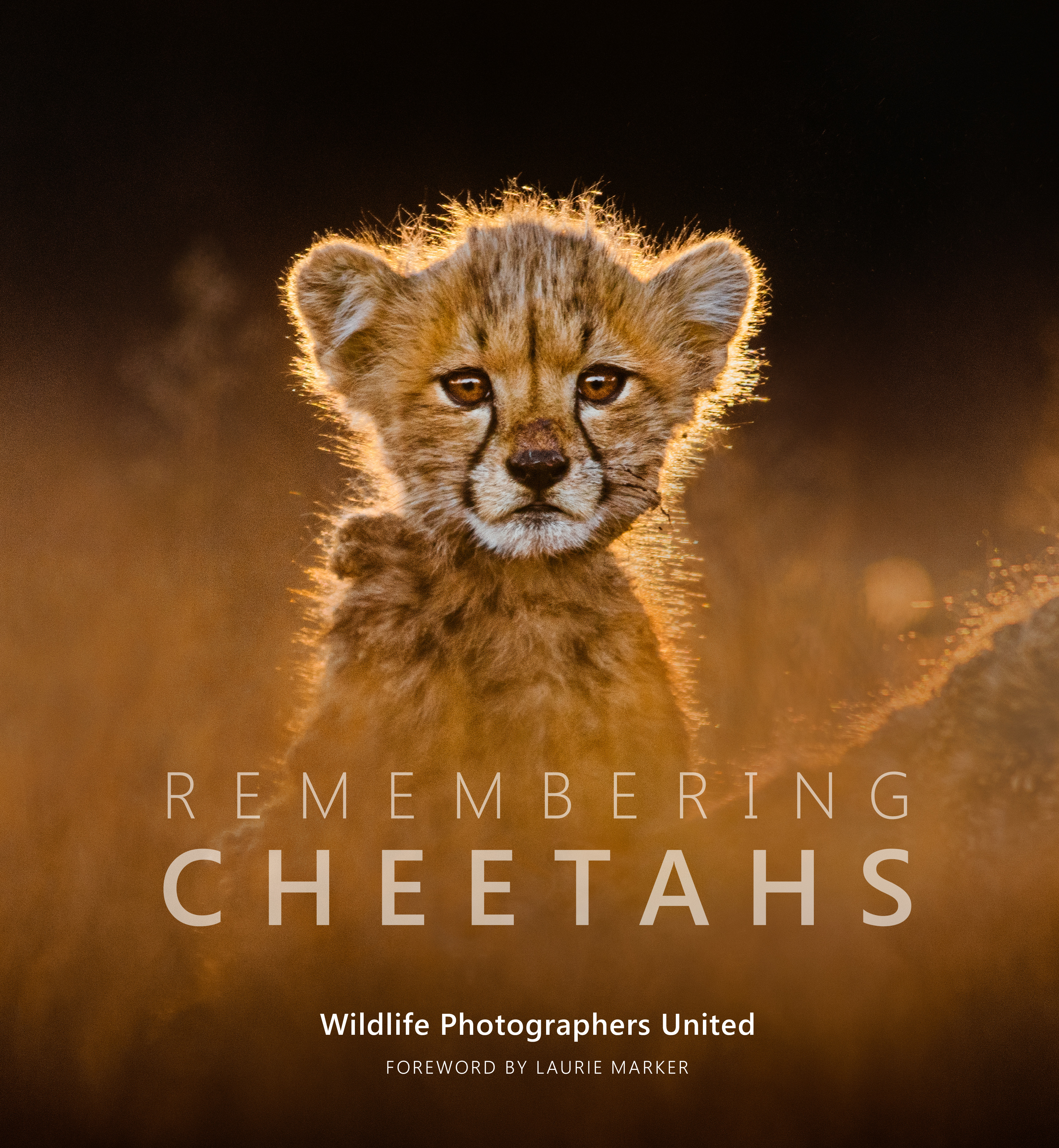
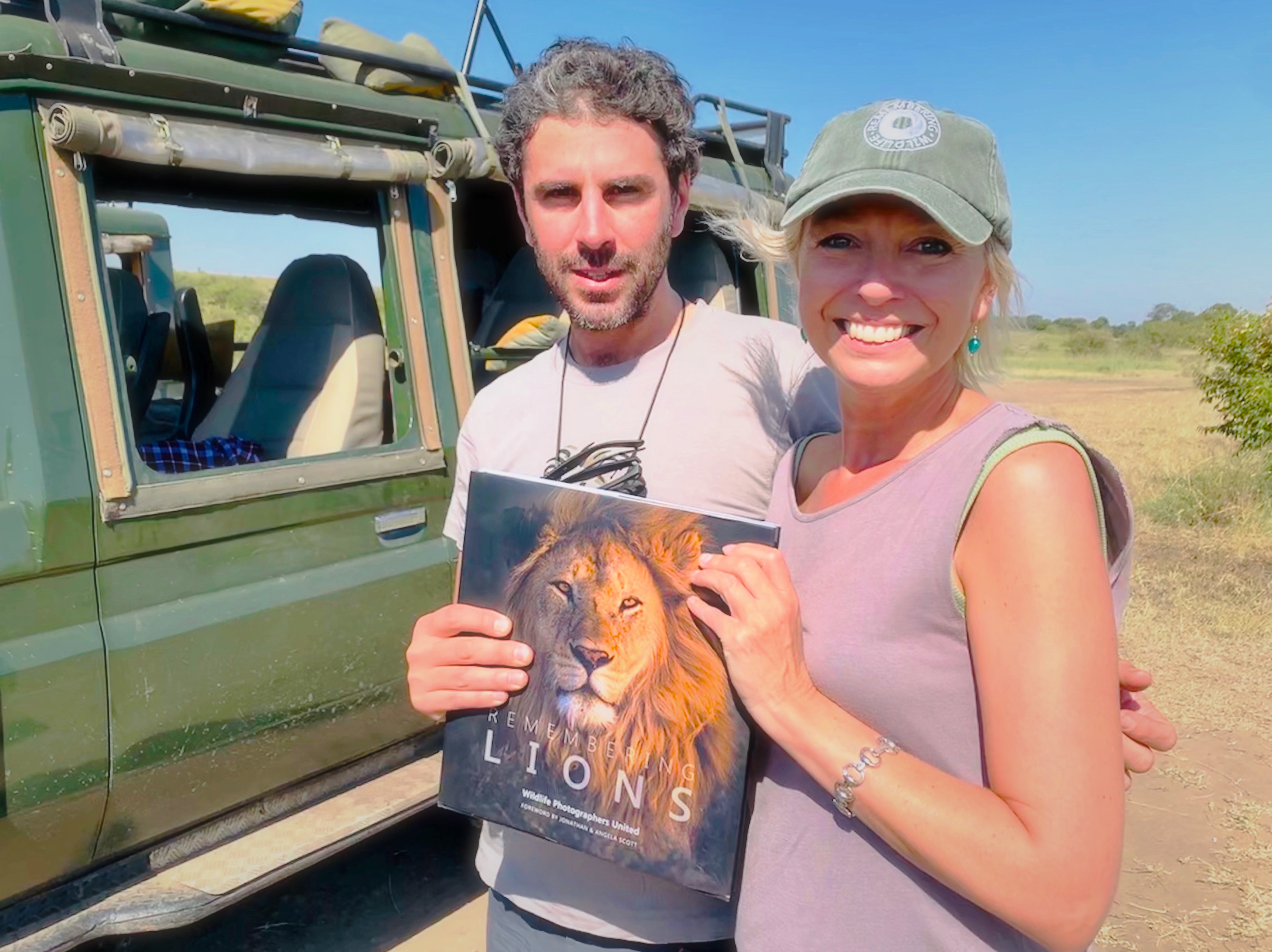
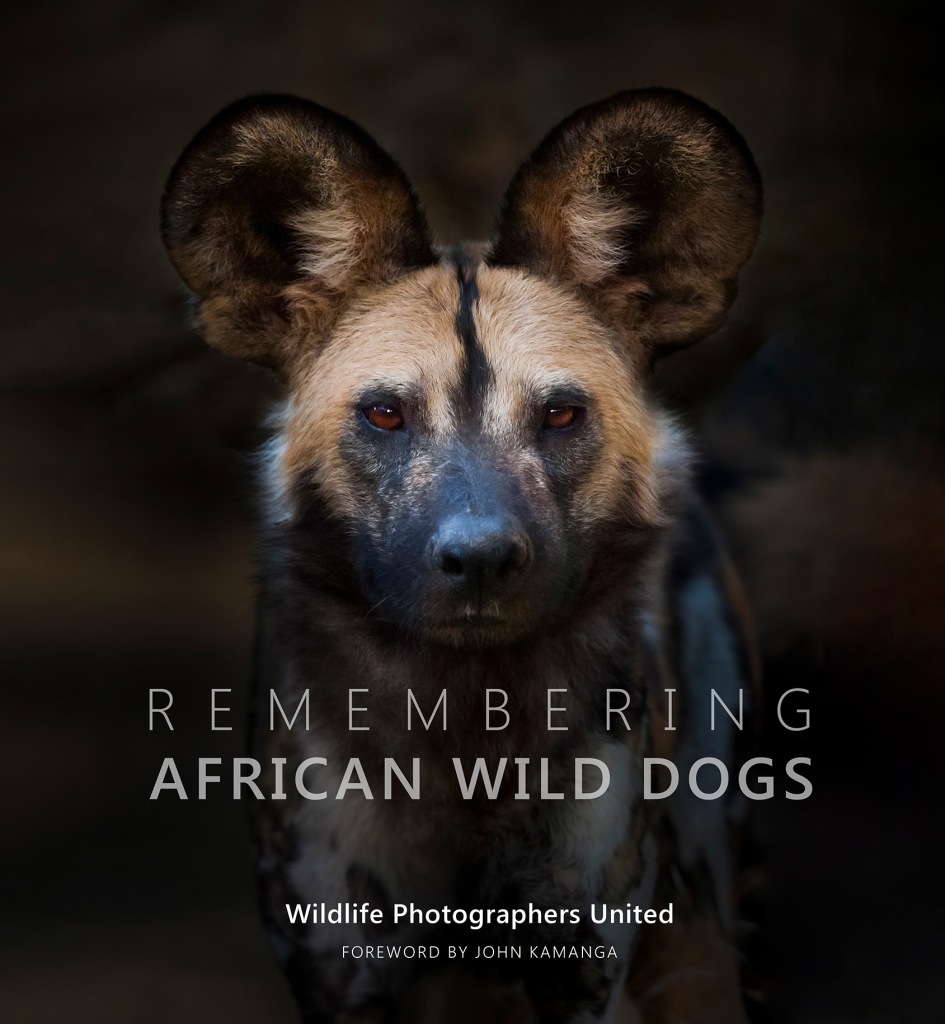
Remembering Elephants came out in 2016, followed by Remembering Rhinos, Remembering Great Apes, Remembering Lions, Remembering Cheetahs, and the newest book, Remembering African Wild Dogs will be published in November 2021.
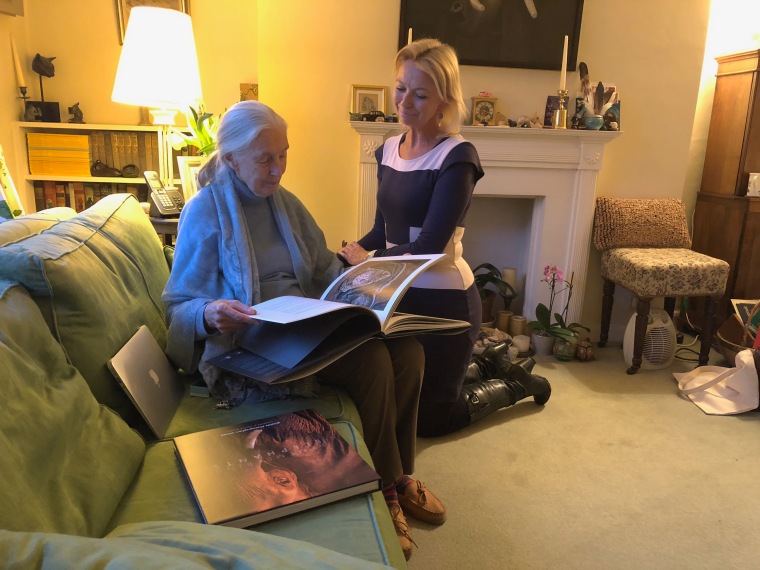
Margot and the incomparable Dr. Jane Goodall
To date, Remembering Wildlife has raised £848,000 ($1.1 million USD) and has funded fifty-five projects across twenty-four countries.
Some of the projects Remembering Wildlife has been able to fund are:
Livestock Guarding Dogs for Farmers. These dogs bark and scare away predators, which means farmers don’t have to shoot or trap lions, cheetahs or other animals who are seen as a threat to the farmers livelihood.
Fund salaries and vehicles for ground teams to monitor and protect wildlife from poachers, trafficking and habitat destruction.
Fund outreach to local communities to discuss their concerns and come up with realistic solutions so that humans and wildlife can live in harmony.
Fund the purchase of tracking collars, cameras, drones, aerial patrol units. These are all key to tracking endangered species as well as poachers.
Fund projects to provide employment and income for women in communities. It is known that working women have less babies, which alleviates the issues with over-population and poverty.
Fund conservation education within local communities.
In the 15 years since Margot went on her first ever safari, she has accomplished so much to help animals. In particular she has brought together a community of world-class photographers who have generously donated their photos to help these beautiful animals survive.
When asked what the hardest part of creating Remembering Wildlife has been, Margot says,
“In the early days I didn’t actually know 50 photographers – my goal of the number of photographers I wanted to contribute to that first book, so researching and approaching people to take part was a challenge. But once word got around and I had a good number signed up, the test became much easier. We were so successful however, we now often have the opposite challenge – more photographers wanting to take part than we have space for!”
And the best part:
“I always say making the donations, and knowing how gratefully they are received is the best part of the job. It has been curtailed for the last 18 months of course due to the pandemic, but getting the chance to visit some of the projects and see and hear firsthand the difference our funds make, is enormously gratifying for me.”
Margot has made such a positive difference in the lives of so many animals and people, but if there was one thing she could change in the world, she would…
“Stop humans from assuming they have an automatic superiority and right to assert themselves over every other species!”
I can personally attest to the beauty of the books. The photographs are breathtaking. We have all of them and are eagerly awaiting the arrival of Remembering African Wild Dogs. They make a wonderful gift for anyone who loves animals or enjoys magnificent photography.
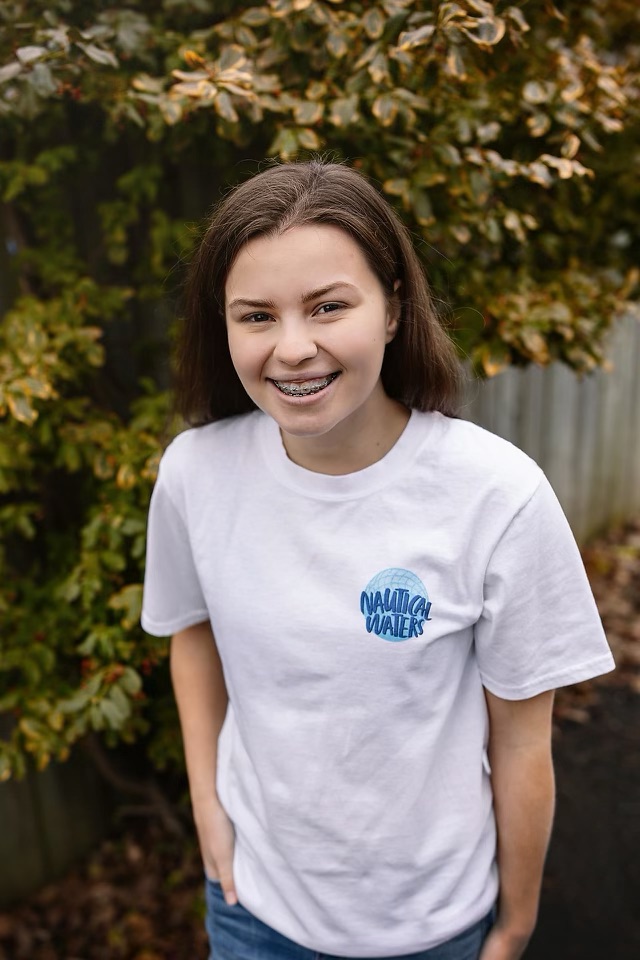
Fifteen-year old Natalie McIntosh is doing her best to not only help rid the ocean of discarded fishing gear, she then transforms these ‘ghost nets’ into beautiful items such as bracelets, coasters and baskets. Natalie donates 100% of the proceeds from her sales to charities working hard to remove dangerous fishing gear and plastic from the oceans.
Natalie talks about why these discarded nets are harmful to marine life and why they are called ‘ghost nets’.
To learn more about Natalie and her dedication to helping our planet and the species we are meant to be sharing this planet with, check out her website: https://www.nauticalwaters.com/
You can also follow Natalie here:
Twitter: @NauticalWaters
Instagram: nautical.waters
Facebook: Nautical Waters
As a thank you to Natalie for sharing her story, Anitha donated to London Environmental Network. This charity, situated in London, Ontario, is trying to make London one of the greenest cities in Canada. This group creates programs and projects for the community. To learn more about this charity, please check out their website: https://www.londonenvironment.net/

























 Anitha Rao-Robinson